


Share With Others!
While ashwagandha has been used in Ayurvedic medicine for centuries, this herb has been boosted into the limelight recently as a popular adaptogen. Studies on ashwagandha supplement abound, many focusing on stress management, anti-inflammatory properties, and cognitive function. Could you find benefit from including this plant in your diet? Let’s take a deeper dive.
What Is Ashwagandha?
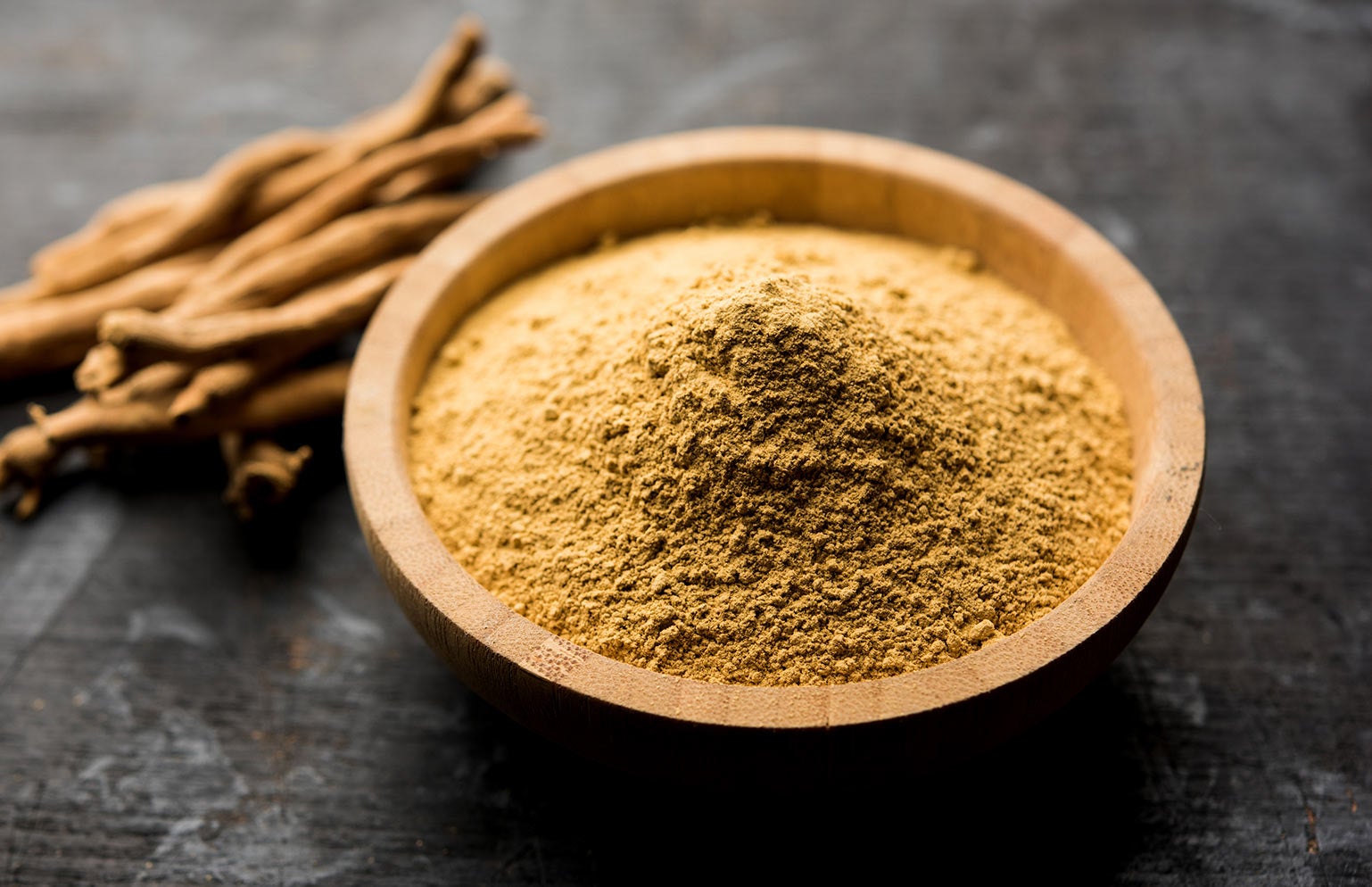
Withania somnifera, most commonly known as ashwagandha, Indian ginseng, or winter cherry is a shrub native to India, northern Africa, and the Middle East, but can be cultivated in other dry, warm areas. This botanical grows an orange-red color berry, and while the fruit and leaves are considered to have some therapeutic value, most benefit comes from the roots which are often dried and ground into a powder.
Did you know the word ashwagandha translates to “smell of a horse”? Named as such due to both its smell as well as the thought that it may provide both strength and stamina. Additionally, the term somnifera means “sleep-inducing” in Latin, referring to ashwagandha’s potential calming and relaxing properties.
Potential Benefits of Ashwagandha
Ashwagandha is an adaptogen, meaning its part of a class of herbs purported to help the body deal with emotional and physical stressors. Read on to learn about the potential benefits.
READ MORE: Adaptogens And Their Benefits
Stress
Many studies have indicated ashwagandha may have properties that help us cope with stress and anxiety. In a prospective, randomized double-blind, placebo-controlled study from 2019, stressed healthy adults were given either ashwagandha or placebo. Follow up demonstrated lower serum cortisol, reduction in perceived stress, as well as an improvement in sleep quality.1 In another prospective, randomized double-blind, placebo-controlled study from 2012, subjects with a history of long term stress were randomized to taking ashwagandha or a placebo. Those who took ashwagandha showed reduced cortisol levels as compared to placebo.2
A systematic review of human trials done looked at studies comparing the use of ashwagandha versus placebo in people with stress and anxiety. In most cases, subjects taking ashwagandha showed improvement in scores of stress or anxiety.3
Anti-Inflammatory Properties
Studies also look at ashwagandha and its role in supporting the body’s natural inflammatory response process. Dozens of chemical constituents have been identified in ashwagandha plant compounds (many of which are antioxidants) that help protect against free-radical damage and oxidative stress to our cells, proteins, and DNA.
Cognitive Function
This botanical has had quite a few studies done on cognitive function as well. In a prospective, double-blind, placebo-controlled crossover study, subjects either took placebo or ashwagandha for 15 days and then switched supplements after a 14-day washout. Those who took ashwagandha showed improvements in reaction time, choice discrimination, digit symbol substitution, and card sorting tests.6
Because the majority of ashwagandha research has been done on animals with only smaller studies looking at its effects in humans, large scale clinical studies are needed to help us better understand the efficacy of this herb.
Health Concerns For Using Ashwagandha
While adverse health concerns of ashwagandha use are uncommon, large doses may cause diarrhea, nausea and vomiting, stomach irritation, and potentially headaches or drowsiness. It’s important to be vigilant about the quality of the supplement you choose, and amount taken to help protect your health.
Always be sure to chat with your healthcare provider before starting any new supplements.
Adding Ashwagandha To Your Diet
If you are feeling like ashwagandha is right for you, you may be wondering how to fit it into your day. Most ashwagandha supplements are capsules, but if swallowing pills is not for you, these can be broken open and the powder can be added to foods. In fact, traditionally this powdered root is mixed with water, honey, or ghee (clarified butter). It can also be added in powder form to hot cereals, smoothies, or tea with milk or milk substitute. In supplement form, the capsule may be taken either on an empty stomach or after meals. If you find it makes you feel drowsy, taking it before bed may work best for you.

