


Protein and creatine aren’t an either-or situation. If you want to fuel your muscle growth and your performance, your best bet is to take both. But, what is the difference between the two most popular bodybuilding supplements? Understanding what they do and when and why to take each one is the key to success.
Creatine: The Energy Master
Creatine is made up of amino acids—methionine, arginine and glycine—and occurs naturally in our bodies. It also helps form adenosine triphosphate (ATP), a compound that releases energy used for muscle contractions. So, what does creatine do? Because it plays a key role in making ATP, creatine supports immediate energy production during exercise, which boosts your overall athletic performance. Clinical studies have shown that creatine supplements used in conjunction with the appropriate training regimen can improve athletes’ vertical jumps and weightlifting and sprinting abilities. Creatine supplementation has also been shown to increase muscle strength and muscle mass when used in conjunction with resistance training.

When To Take Creatine
To gradually reach optimal creatine levels, a dose of at least three grams of creatine monohydrate per day for at least four weeks is recommended. As far as timing, you have some leeway. You’ll reap the benefits of creatine whether you take that three-gram dosage before, during or after exercise. So, pick whichever option works for you—just make sure to supplement daily for optimal results.
Protein: The Muscle Builder
To gradually reach optimal creatine levels, a dose of at least three grams of creatine monohydrate per day for at least four weeks is recommended. As far as timing, you have some leeway. You’ll reap the benefits of creatine whether you take that three-gram dosage before, during or after exercise. So, pick whichever option works for you—just make sure to supplement daily for optimal results.
If you want to get ripped, protein is crucial. Every time you push through punishing reps and increasingly heavier loads of weight, you put your muscles through the ringer. To see the benefits of all that hard work, they need to be able to properly recover. After a workout, when your muscle tissues are broken down, it’s critical to provide your body with what it needs to repair and replenish muscle protein if you want to enhance muscle mass. Supplying your muscles with the right amount of protein before and after working out ensures this vital process can happen efficiently and effectively.
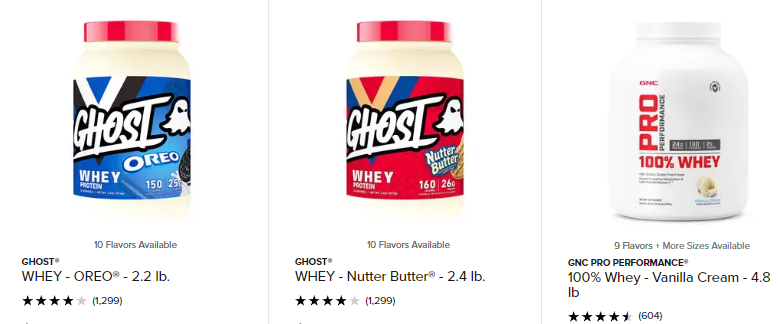
There are a variety of protein powder muscle-building supplements, including dairy-based varieties (like whey, casein or milk), novel sources (like eggs and beef) or plant-based options (like chickpeas, quinoa or soy). Protein powders typically come in three forms: isolate proteins, which have been purified to remove most everything other than the actual protein source; concentrates, which contain mostly protein, with some carbs, fats and other nutrients; and protein blends, which consist of protein from various sources. Read more about the types of protein.
Like creatine, protein also contains amino acids. Whey protein, for example, contains all nine essential amino acids including the three branched-chain amino acids (BCAAs). Read more about What are BCAAs.
When To Take Protein
To gradually reach optimal creatine levels, a dose of at least three grams of creatine monohydrate per day for at least four weeks is recommended. As far as timing, you have some leeway. You’ll reap the benefits of creatine whether you take that three-gram dosage before, during or after exercise. So, pick whichever option works for you—just make sure to supplement daily for optimal results.
If you want to get ripped, protein is crucial. Every time you push through punishing reps and increasingly heavier loads of weight, you put your muscles through the ringer. To see the benefits of all that hard work, they need to be able to properly recover. After a workout, when your muscle tissues are broken down, it’s critical to provide your body with what it needs to repair and replenish muscle protein if you want to enhance muscle mass. Supplying your muscles with the right amount of protein before and after working out ensures this vital process can happen efficiently and effectively.
There are a variety of protein powder muscle-building supplements, including dairy-based varieties (like whey, casein or milk), novel sources (like eggs and beef) or plant-based options (like chickpeas, quinoa or soy). Protein powders typically come in three forms: isolate proteins, which have been purified to remove most everything other than the actual protein source; concentrates, which contain mostly protein, with some carbs, fats and other nutrients; and protein blends, which consist of protein from various sources. You can read more about the types of protein.
Like creatine, protein also contains amino acids. Whey protein, for example, contains all nine essential amino acids including the three branched-chain amino acids (BCAAs). You can read more about BCAAs.
No matter which protein you choose, if you’re looking to bulk up, timing is everything. You should eat small amounts of protein throughout the day, but consuming high-quality whey protein immediately after exercise is the most effective way to ensure your body will have the resources needed to repair and rebuild muscle. When you don’t get enough, your body taps into its protein stores for fuel and muscle repair, which can inhibit your athletic goals. Casein protein is digested more slowly, so it’s ideal in the evening. Consuming casein before bed will provide your body with a steady stream of beneficial nutrients throughout the night while you rest.

