


Share With Others!
Since March of 2020, many things about modern life have changed, including how we get our physical activity. The big question is, are these changes permanent?
Physical Activity Pre-COVID-19
Even without a pandemic to thwart our efforts at incorporating regular physical activity into our lives, the stats on Americans and exercise aren’t great. 2016 data shows that only 26% of men, 19% of women, and 20% of adolescents in America get the recommended amount of exercise each week. In case you were wondering, government recommendations say you should strive for 150-300 minutes of moderate-intensity aerobic exercise per week and two days per week of muscle-strengthening activity. If vigorous-intensity workouts are more your speed, you should strive for 75-150 minutes of exercise per week.
Before the pandemic, the most common form of exercise for Americans was walking. Walking is followed in popularity by weight-lifting, using cardiovascular equipment, and running. One could assume that many of these activities were done in a gym. 2019 statistics show that about 64.2 million Americans were members of a gym.2 If 64.2 million people’s gyms closed due to COVID-19, you could imagine that alone has a massive impact on their ability to exercise. In addition to gym closures, many parks and public spaces were closed, further limiting access to physical activity.
Physical Activity Post-COVID-19
So, we already know that things weren’t great in the exercise department before the pandemic. Post-pandemic, things have gone further downhill. In a study examining how home confinement due to COVID-19 affected physical activity, researchers found that people in Europe, North-Africa, Western Asia, and the Americas were exercising less and sitting more. The same survey also found that vigorous activity declined from 38.7 minutes per week to 26 minutes per week. Moderate activity fell from 32.1 minutes per week to 21.4 minutes per week. Walking decreased from 37.2 minutes to 24.6 minutes per week. Overall activity declined from 108 minutes per week to 71.8 minutes per week. Plus, in August 2020, gym membership cancellations skyrocketed, to the tune of a 563% increase from the same 30 days in the prior year.4 Ouch.
All of this inactivity may increase stress, anxiety, depression, and impact long term health. As it relates specifically to COVID-19, inadequate physical activity and obesity are linked to poorer outcomes from COVID-19.6 In the short and long term, reduced physical activity can have severe consequences for our health.7, 8 In other words, now is not the time to flop on the couch and wait for the pandemic to end. Fitness is more important than ever, so thankfully, virtual fitness is here to rescue us from the dredges of physical inactivity!
Virtual Fitness Platforms—There’s More Than Peloton
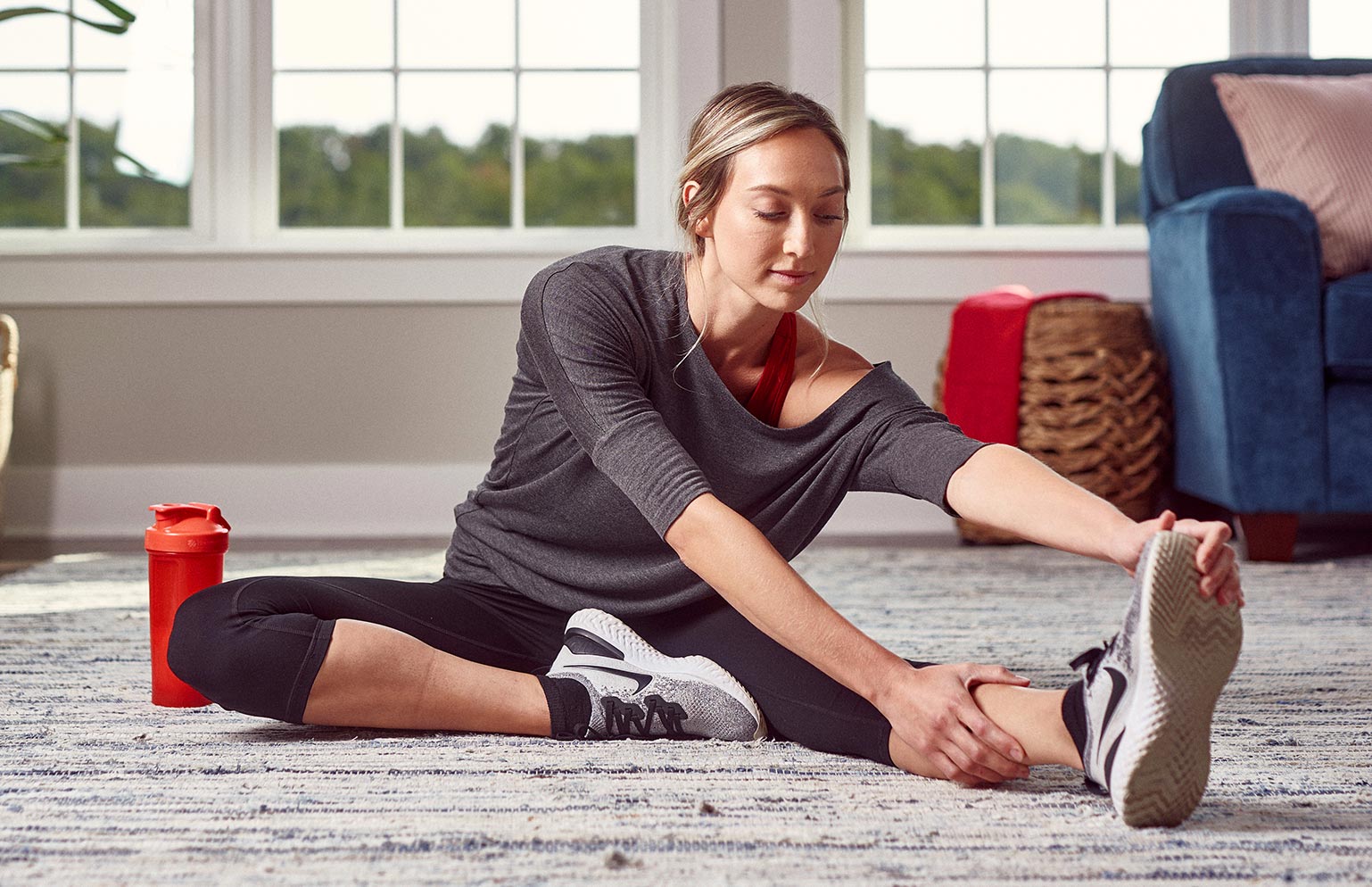
Thankfully, where gyms and parks have had to close, technology has allowed people to access exercise training content throughout the pandemic. Between MindBody, Peloton, WellBeats, Nordic Trak, aaptiv, Echelon, The Mirror, Beach Body, virtual reality training, exergames on gaming systems, plus innovative fitness studios providing virtual workouts via webcast—the options are endless when it comes to virtual fitness opportunities. If paid apps are not in your budget, there are also many free options. Many former gym devotees find home workouts’ flexibility to be a refreshing change to their routine. Some are waiting impatiently for their gym to reopen its doors. So, is this world of virtual fitness going to be a permanent fixture in our world?
Virtual Fitness—Here To Stay?
While some may return to their gym as the COVID-19 pandemic seems to be improving, it seems unlikely that all will. A TD Ameritrade survey recently found that up to 59% of people do not plan to return to their gym in the post-COVID world.9 If this sentiment continues, it seems reasonable to expect that virtual fitness is here to stay. Gyms and fitness professionals will have to use technology to remain relevant with their customers who are moving on from the gym-life permanently. Like many retailers are learning how to provide an in-store experience for virtual customers, gyms may also need to shift their model. Now that many of their former customers have become used to the non-existent commute to the gym and the flexibility that at-home training offers, we should expect many to stick to this at-home routine.

